
Skip to content
Green CO2 Systems

Blended beer gas, held to plus or minus 2 percent

Beer gas is CO2 and nitrogen mixed to a specific ratio for your draft system. Get the blend wrong and you either foam the beer or flatten it, and no amount of adjusting the faucet fixes a gas problem.

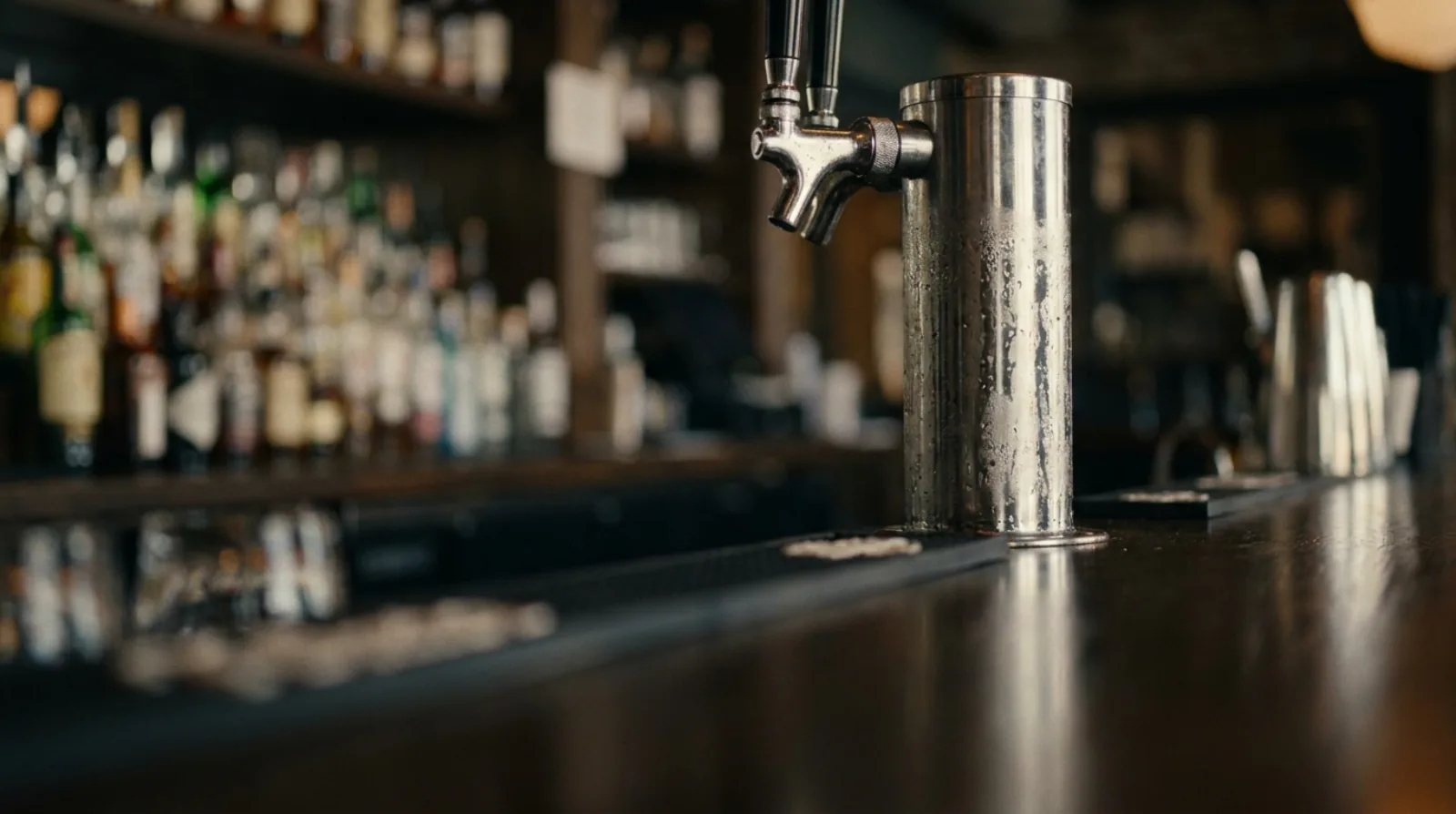
Stainless steel draft beer tap tower on a dark bar top, with a blurred bottle wall behind.

Why straight CO2 stops working

On a short line, straight CO2 is fine. On a long draw, the pressure needed to push the beer that far is higher than the pressure the beer should be carbonated at. Use CO2 alone and you over-carbonate on the way to the tap, which is why the pour foams and the last third of the keg tastes wrong.

Blending nitrogen in solves it. A CO2 nitrogen blend provides push without dissolving into the beer, so you can run the pressure your line length demands while keeping carbonation where the brewer set it.
How we set the blend

The blend is not a preference, it is a calculation from line length, rise, temperature and the carbonation the beer was packaged at. We measure those, set the blend, and lock it.

Our TruFusion blender then holds that ratio to plus or minus 2 percent or better, with no electricity, no ongoing maintenance and no adjustment drifting over a busy month.

  • Individual blends pre-set to your system
  • Accuracy of plus or minus 2 percent or better, maintained
  • High flow output with flow-indicating regulators and gauges
  • Secondary inlet regulators and shut-off valves as standard
  • Built in shut off stops all gas flow if either CO2 or N2 stops

Speak with a Territory Sales Manager

If your pour has been fighting you, the blend is the first place we look.

Where the nitrogen comes from

Either cylinders we deliver, or a NITRO-DRAUGHT generator making it on site from compressed air. The blender works with both, so a site can start on cylinders and move to generation later without changing the dispensing side.

Nitro pours and stout

Nitro-dispensed stouts and nitro coffee run a much higher nitrogen fraction to get the cascade and the tight head. That is a different blend, not a different service, and the same equipment handles it once it is specified correctly.

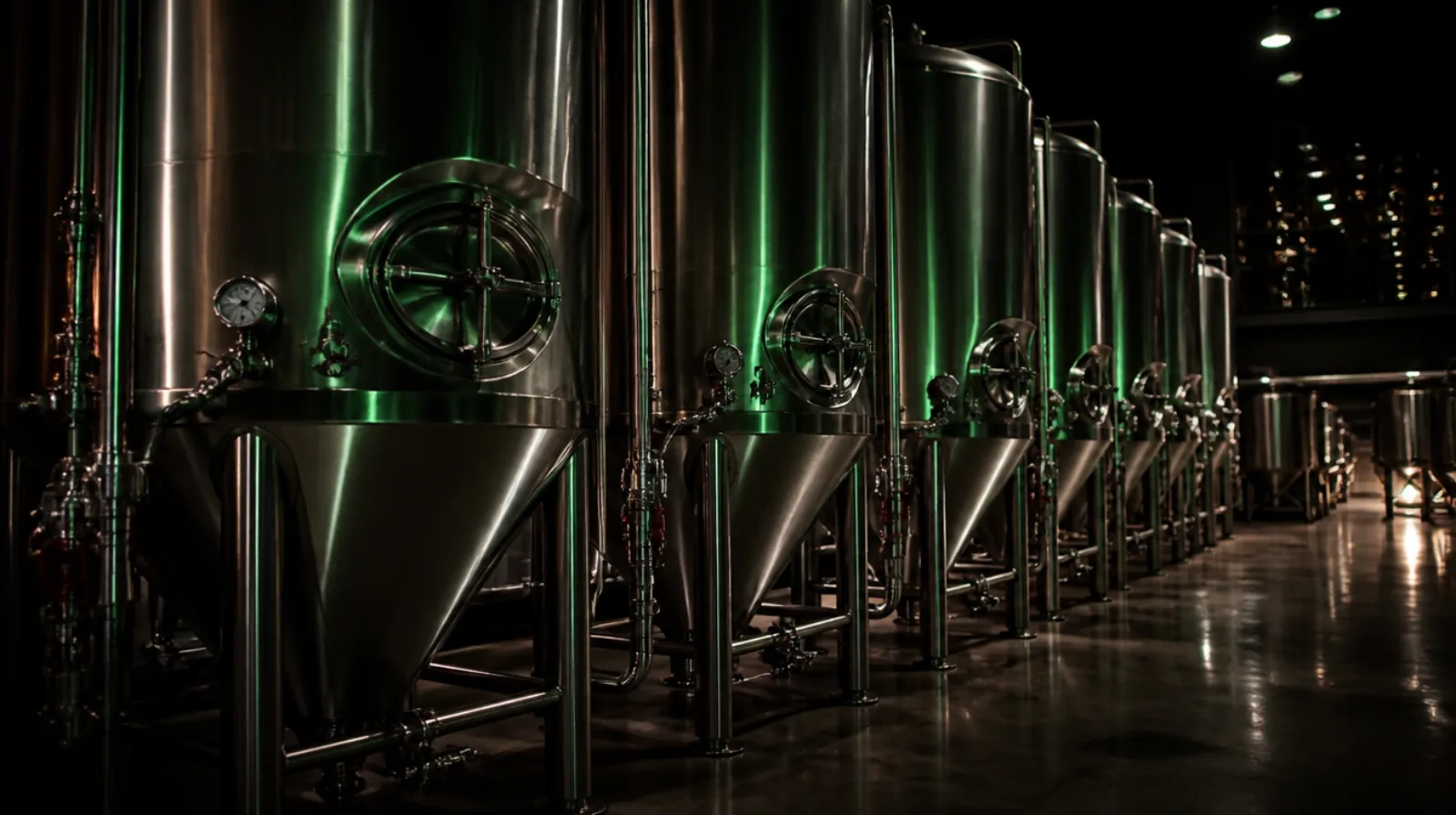
A row of stainless steel conical fermentation tanks in a dimly lit craft brewery.

Keg CO2 systems and mixed gas for draft beer

A keg CO2 system running straight gas is fine on a short line. Past that, mixed gas for draft beer is what stops the pressure needed to move the beer from over-carbonating it in transit.

The beer gas blend is calculated, not chosen: line length, rise and temperature decide it. Once set, the CO2 keg system holds that ratio without weekly adjustment.

What sets your blend

The ratio is calculated from your system, not chosen from a chart. Four inputs decide it, and getting any one wrong shows up in the glass.

Line length
The longer the run, the more push pressure required and the more nitrogen the blend needs
Rise
Vertical lift from cellar to tap adds required pressure independently of horizontal distance
Cellar temperature
Warmer beer holds less CO2 in solution, which changes the equilibrium pressure
Packaged carbonation
The volumes of CO2 the brewer packaged at is the level the blend has to preserve

Diagnosing a bad pour

Before changing the gas, rule out the cheaper causes. Blend is frequently the answer, but not always, and swapping gas on a temperature problem wastes everyone's time.

  • Check cellar and line temperature first, because warm beer foams regardless of blend
  • Confirm the keg has settled after delivery rather than being tapped straight off a truck
  • Inspect line cleanliness, since residue nucleates bubbles and mimics a gas fault
  • Then check applied pressure against line length and rise
  • Only then look at the CO2 to nitrogen ratio

Common questions

A blender holds one pre-set ratio. Sites running both standard draft and nitro typically run separate gas to each, which we specify at install.

No. The TruFusion is designed to run without electricity in the wall, which is one less thing to fail behind a bar.

Get your blend checked against your line

If your pour has been fighting you, the blend is the first place we look.

Call 877-CO2-FOR-UFree assessment