
Skip to content
Green CO2 Systems

CO2 safety requirements for restaurants and facilities

CO2 safety requirements for restaurants, breweries and cultivation facilities come down to one physical fact: CO2 is odorless, colorless and heavier than air, so it accumulates silently in low enclosed spaces where people work.

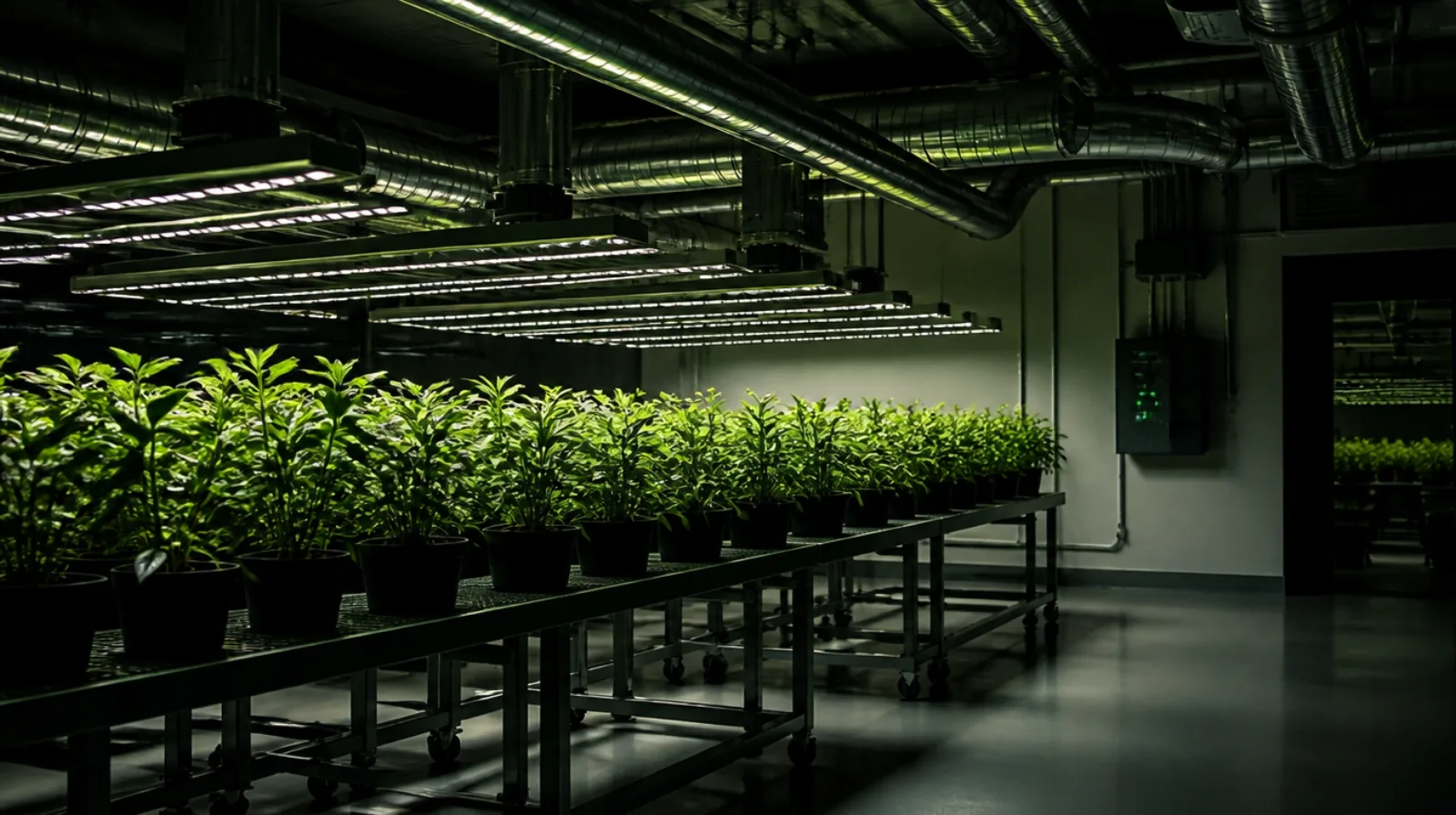
Rows of green potted plants on rolling benches under LED grow light bars in an indoor cultivation room.

Why CO2 needs a sensor: the physics

There is no smell and no visible cue. Concentration builds from the floor up, so a person entering a cellar walks into the worst of it before their head reaches clean air. Early symptoms are headache and confusion, which are exactly the symptoms least likely to prompt someone to leave.

Every serious CO2 incident in hospitality follows the same shape: an enclosed low space, a leak nobody knew about, and a person who went in to investigate something unrelated.
Concentration thresholds, roughly

Ambient air is around 400 ppm. These are the numbers the equipment is built around, and your jurisdiction may set its own.

About 400 ppm
Normal outdoor ambient concentration
1000 to 2000 ppm
Stuffiness, drowsiness, poor concentration in occupied rooms
5000 ppm
Common workplace exposure limit and the shutoff threshold our MK9 sensors drive
Above 5000 ppm
Headache, elevated breathing rate, impaired judgement
Well above that
Rapidly dangerous, and judgement is impaired before the person recognizes it

Speak with a Territory Sales Manager

We will tell you what is compliant, what is missing and what is mounted in the wrong place.

Where sensors actually go

Low. Near the storage, near the dispensing points, in the cellar, the walk-in, the plant room and any sealed enriched room. CO2 sinks, so a sensor at head height reports clean air while the floor is not.

Mounting height is the single most common fault we find on installations we inherit, and it renders the system close to useless.

  • At CO2 collection height, not at mounting convenience
  • In every enclosed space where gas is stored, dispensed or enriched
  • In cellars, walk-ins and plant rooms specifically
  • One sensor per monitored zone, reporting to a central unit

What a compliant installation looks like

Detection, warning and intervention, in that order. A sensor that reports levels. An alarm that is both audible and visual, because a loud cellar defeats a horn and an empty one defeats a light. And a shutoff that closes the supply without needing a person present to react.

  • Sensors at collection height in every relevant zone
  • Life-safety shutoff at 5000 ppm
  • Strobe and horn alarm outputs
  • Central unit for multi-zone sites, up to twelve sensors
  • Scheduled sensor servicing, because sensors drift
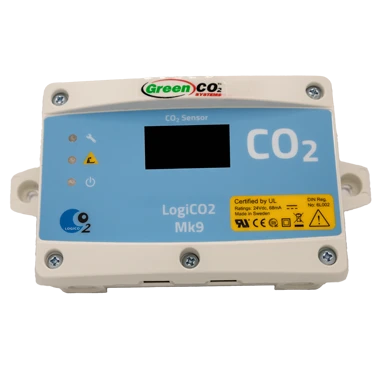
The LogiCO2 MK9 CO2 sensor with its PPM display, installed by Green CO2 Systems.
The LogiCO2 MK9 drives a life-safety shutoff at 5000 ppm.

Documentation, which is half of passing

Inspectors ask what is installed, where, at what thresholds, and when it was last serviced. Having good equipment and no records is a failed inspection with extra steps.

We install to the configuration your jurisdiction expects and leave you with the documentation rather than a pile of parts and a shrug.

Cultivation facilities

Sealed rooms deliberately enriched above ambient and occupied by staff are the highest-risk configuration we work with, and the permit process reflects that. Alarm configuration usually has to be approved before the room can be signed off, which is frequently what stalls a build.

Talk to us before you order equipment rather than after an inspector has turned you down, because jurisdiction affects specification.

This page is guidance, not a code citation

Requirements vary by state, city and building type, and they change. Treat this as orientation and confirm the specifics for your jurisdiction, which is something we will do with you as part of the assessment.

Life safety

Where CO2 safety compliance rules come from

There is no single national rulebook. CO2 alarm code requirements are set locally, usually through the adopted building and mechanical codes, and commercial CO2 regulations therefore differ between our markets.

OSHA CO2 exposure limits sit alongside that as a workplace standard, which is where the 5000 ppm figure our shutoffs use comes from. CO2 safety compliance in practice means satisfying both the local code and the exposure standard, and being able to evidence it.

A practical pre-inspection check

Run this before an inspector does. Each item is something we have seen fail a real inspection.

  1. 1

    Walk every enclosed space

    Cellar, walk-in, plant room, store rooms and any sealed enriched room. Confirm each one that holds or uses CO2 has a sensor.

  2. 2

    Check mounting height

    Sensors should be low, near where gas collects. Anything at head height is not doing its job and is the most common fault we inherit.

  3. 3

    Confirm the alarm is both audible and visual

    A horn alone fails in a loud cellar; a strobe alone fails in an empty one. You need both.

  4. 4

    Test the shutoff

    Detection without intervention only helps if somebody is present to react. Confirm the supply actually closes.

  5. 5

    Find the paperwork

    What is installed, where, at what thresholds and when it was last serviced. Good equipment with no records still fails.

Common questions

It depends on jurisdiction, stored volume and whether the space is occupied. In most places where micro bulk CO2 sits in an occupied building, yes. We install to what your local authority expects.

Sensors drift and eventually need replacing. Servicing is a scheduled maintenance item on our accounts rather than something you discover has lapsed.

No. Ventilation reduces accumulation; monitoring tells you when it has happened anyway. They solve different halves of the problem.

Get your site checked before an inspector does

We will tell you what is compliant, what is missing and what is mounted in the wrong place.

Call 877-CO2-FOR-UFree assessment